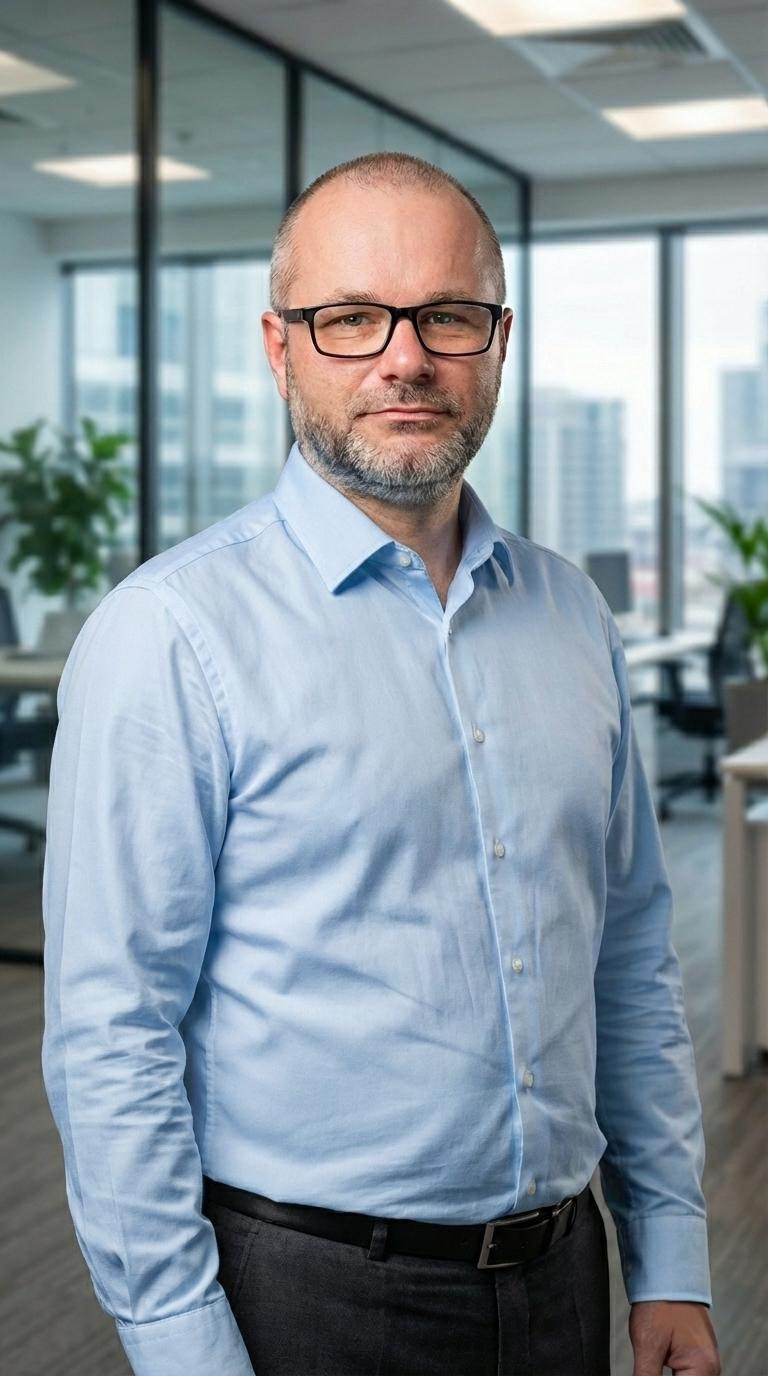
I am not a motivational speaker and not a typical consultant. I have spent over 20 years on the operational frontline - in manufacturing, warehousing, and appointment-driven service environments - learning how to close the gap between how work is described and how it actually happens.
I step in when process integrity has reached its limit and the business is being capped by its own operational friction. My scope covers manufacturing sites, warehouses, clinics, treatment studios, and high-volume service operations.
My objective is simple: stable, predictable operations. Fewer exceptions. Clearer priorities. One reliable source of truth that holds under pressure.
My work is grounded in Lean, Continuous Improvement, Six Sigma principles, structured risk assessment, and disciplined use of good and best practice. These are not theoretical labels - they are tools used to design systems that survive real conditions.
The approach follows a straight line:
- Understand how work truly happens today - not how it is supposed to happen
- Redesign workflows so they withstand growth, variability, and imperfect days
- Where necessary, implement an enforcement layer that prevents incorrect actions or exposes them immediately
Enforcement is not about controlling people. It is about controlling the process - so teams cannot accidentally create errors and the business does not rely on memory, heroics, or constant checking.
Across two decades in high-stakes environments, I have seen where even large, well-funded systems fail. Not because they are weak, but because they are built on assumptions that do not match the reality of the shop floor or the reception desk.
I design operations and supporting systems around reality, not assumptions.
My background is Lean and continuous improvement, strengthened by structured risk analysis and process capability thinking. The mindset is practical and evidence-driven. No theatre. No corporate language. Only structures that hold under fatigue, interruptions, edge cases, and incomplete information.
I have a specific ability to identify inefficiencies and failure modes that owners and mainstream consultants overlook. Where others see "just how we do things," I see time loss, profit erosion, trust degradation, and preventable operational risk.
Operational reliability is ultimately engineered human reliability - designed into the process.
As the author of Low-Noise Leadership, I documented my own internal operating system - the mechanics of focus and energy regulation that allow me to see leaks where others only hear noise.